Yom Kippur War
Videos
The Yom Kippur War, also known as the 1973 Arab–Israeli War, the fourth Arab–Israeli War, the October War, or the Ramadan War, was fought between Israel and a coalition of Arab states led by Egypt and
Egyptian President Anwar Sadat


Upon learning of the impending attack, Prime Minister of Israel Golda Meir made the controversial decision not to launch a pre-emptive strike.
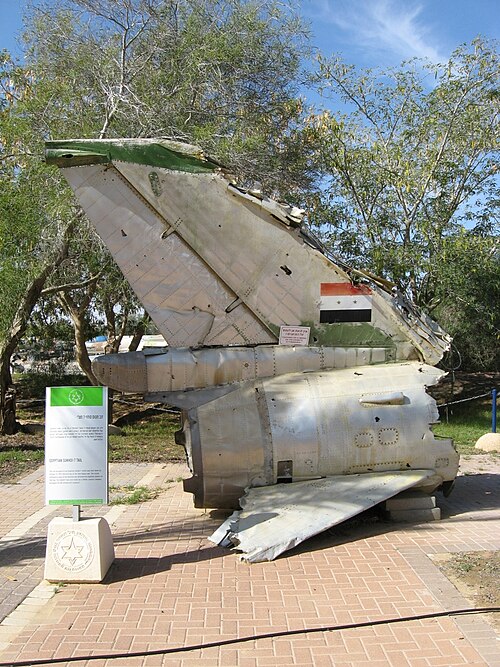
Wreckage from an Egyptian Sukhoi Su-7 shot down over the Sinai on 6 October, Israeli Air Force Museum

Egyptian forces crossing the Suez Canal
1973 oil crisis
Videos
In October 1973, the Organization of Arab Petroleum Exporting Countries announced that it was implementing a total oil embargo against countries that had supported Israel at any point during the 1973
Yom Kippur War
…declared an embargo against the United States, later joined by other oil exporters and extended against the Netherlands and other countries, causing the 1973 energy crisis. Historians differ in their assessments of the war's military outcome: some describe it as an Israeli victory, others as an Egyptian victory, and others…

A father and son hold up their sign saying "Gas Stealers Beware, we're loaded for bear" during the Oil Crisis

Gasoline ration stamps printed by the Bureau of Engraving and Printing in 1974, but not used

Gas stations abandoned during the crisis were sometimes used for other purposes. This station at Potlatch, Washington, was turned into a revival hall.

A woman in Oregon uses wood in a fireplace for heat. An October 1973 newspaper headline before her tells of the community's lack of heating oil.